Connect with me

The Books

A Flower In Winter Out Of The Depths Any Cornish Beach Research

A Flower In Winter

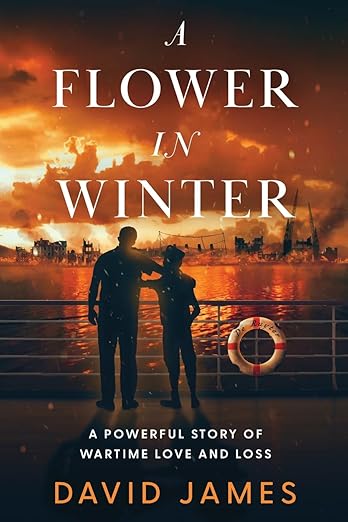
A Flower In Winter cover

When Germany invades Holland in 1940, thirteen-year-old Samuel De Souza escapes the Nazis with a forged passport and is smuggled to England. Safe at first, he finds friendship, love, and guidance from Jannie, his mentor and protector. But grief, anger, and a growing sense of duty drive Sam to lie about his age and join the Royal Navy, taking a stand against the regime that threatens his people. A story of love, courage, and resilience inspired by real events.


How The Story Started

My late literary flowering was inspired by a friend, Jo Fitzgerald. I sent her a lengthy email, at the end of which I apologised for ‘wittering on.’ Her ‘keep on wittering’ prompted a series of stories about people I’d met and things I’ve done during my long life. These I happily emailed to Jo, knowing she would keep them safe, and in relevant sections. One day some may appear. Others are too libellous to publish! Covid gave me the great gifts of time, peace and space. Witterings flourished, and so did my first novel. Samuel da Souza came into being when I misheard the story of what happened to Jo’s Dutch Jewish relatives. The ‘stoomboot’ De Ruyter was launched when she told me about a spooky night onboard one of the original River Lek paddle boats. It was not until June 2024 that I learnt the truth, by which time my novel was with the publishers


The Stoomboats

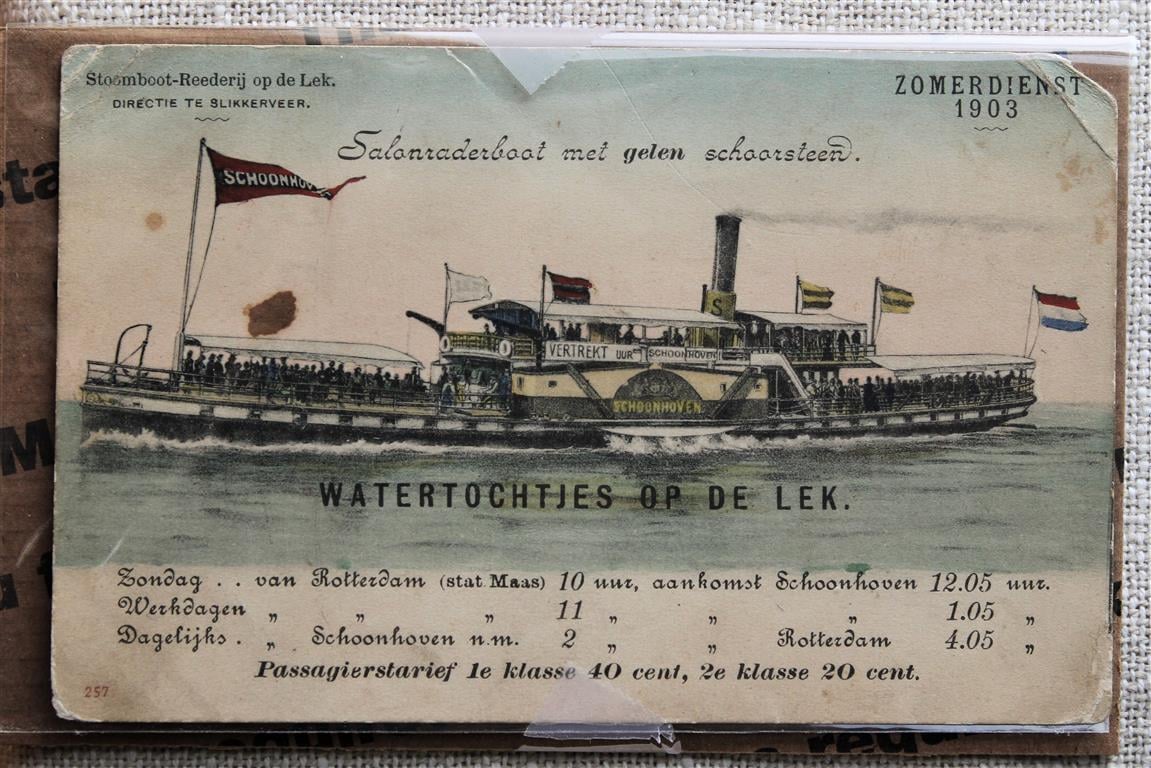
Stoomboat Postcard

The above image is an old post-card of the River Lek Stoomboot


De Ruyter is a fictional paddle-ship operated by De Stoomboot Reederij op de Lek, with frequent stops between Rotterdam and Culemborg. This transport company ran paddle-ships from 1873 – 1948 when it switched to road transport. She can carry up to 2,000 passengers though normally takes 1,200 – 1,500. First class passengers had an elegant saloon aft, with a bar and table service. Second class passengers had a buffet forward. Pipes only could be smoked below, provided they were fitted with a cap to prevent sparks flying out. Cargo, carried on the forecastle, included cattle, horses and riders, cheese, flour, milk, skins, beans and peas. Several of the crew could milk cows. 10 crew: Captain, helmsman, 2 deckhands Engineer and fireman 2 conductors Steward and 2 assistants Length overall: 57.86 m 190 ft Beam: 13.65 m 46 ft Draught: 1.45 m 4.95 ft Two fire Scottish Fusion boiler Sloping 2 cylinder 500 HP compound steam engine Max speed 12 knots
Out Of The Depths

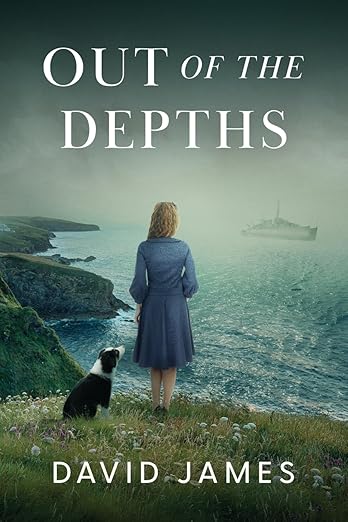
Out of the depths cover

A novel of refuge, resilience, and the unexpected families forged by war When the De Ruyter, a shot-up Dutch paddle-steamer, limps into Chatham in May 194o after making three voyages to the beaches of Dunkirk and rescuing thousands of British and French soldiers, the lives of three strangers are changed forever. Sam da Souza, fourteen years old and already marked by tragedy, carries the weight of a family he may never see again. Jannie Jansen, an aging marine engineer, has lost the closest friend he ever had in the chaos of Dunkirk. Now he clings to the promise he made to protect the refugee boy beside him. Miriam Cohen, elegant, grieving, and fiercely compassionate, leaves the heartbreak of London behind, unexpectedly finding her purpose reignited by the fragile young life placed in her care. Safe for a moment in the wild beauty of Cornwall, the three try to rebuild themselves. Sam finds unexpected hope on a windswept farm by the sea; Jannie and Miriam discover a love neither expected. Together they attempt to stitch meaning back into a world unravelled by war. But duty calls them apart as the shadows of the conflict are never far behind. While London braces for the Blitz and Sam begins to heal, each must face the truth: survival is not just about escaping danger, it is about holding on to love, courage, and the promise of return. Moving, intimate, and profoundly human, Out of the Depths is a sweeping wartime story of found family, second chances, and the small acts of kindness that save us.

Any Cornish Beach


A review of the poem book

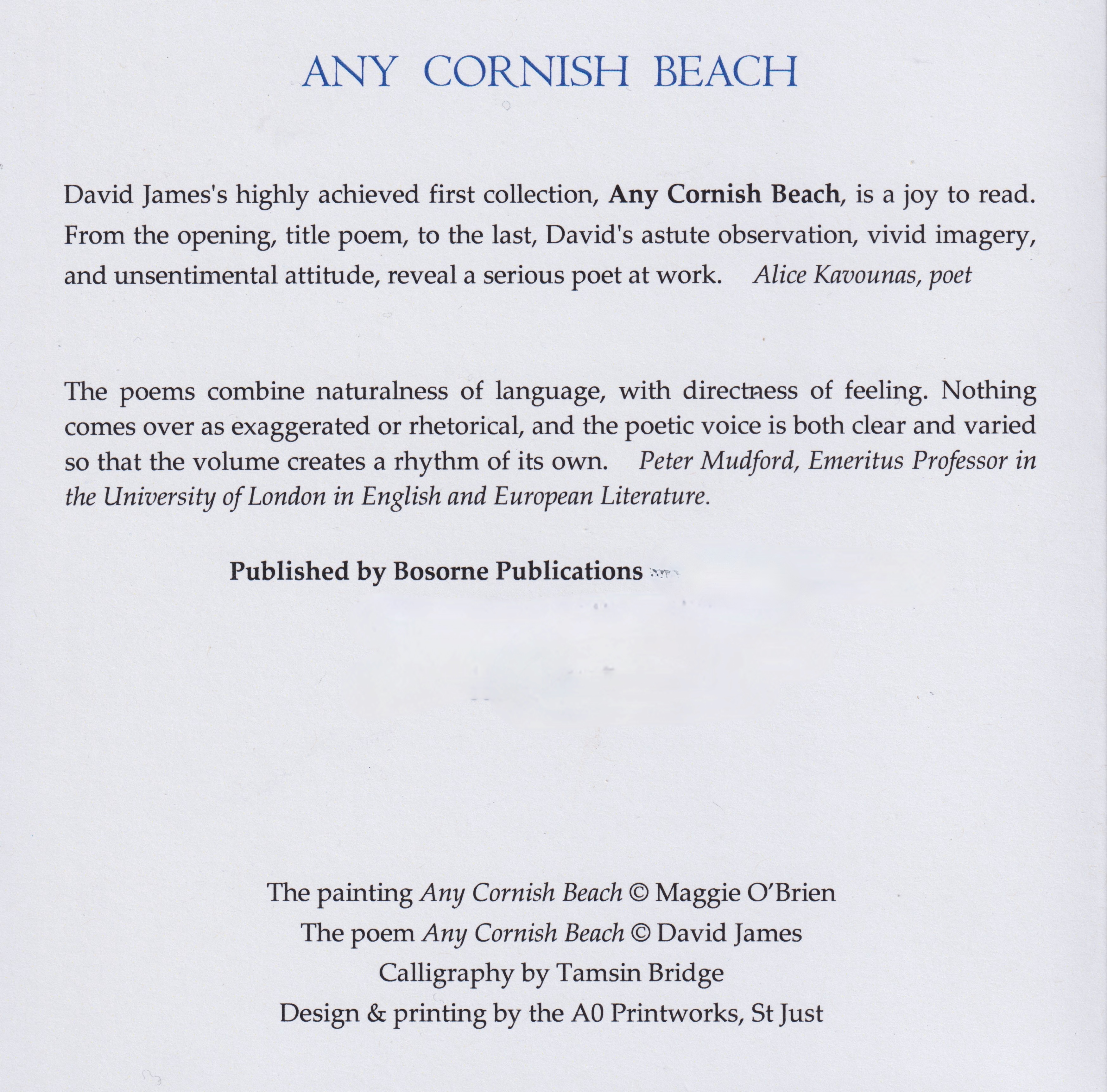
Two reviews of Any Cornish Beach


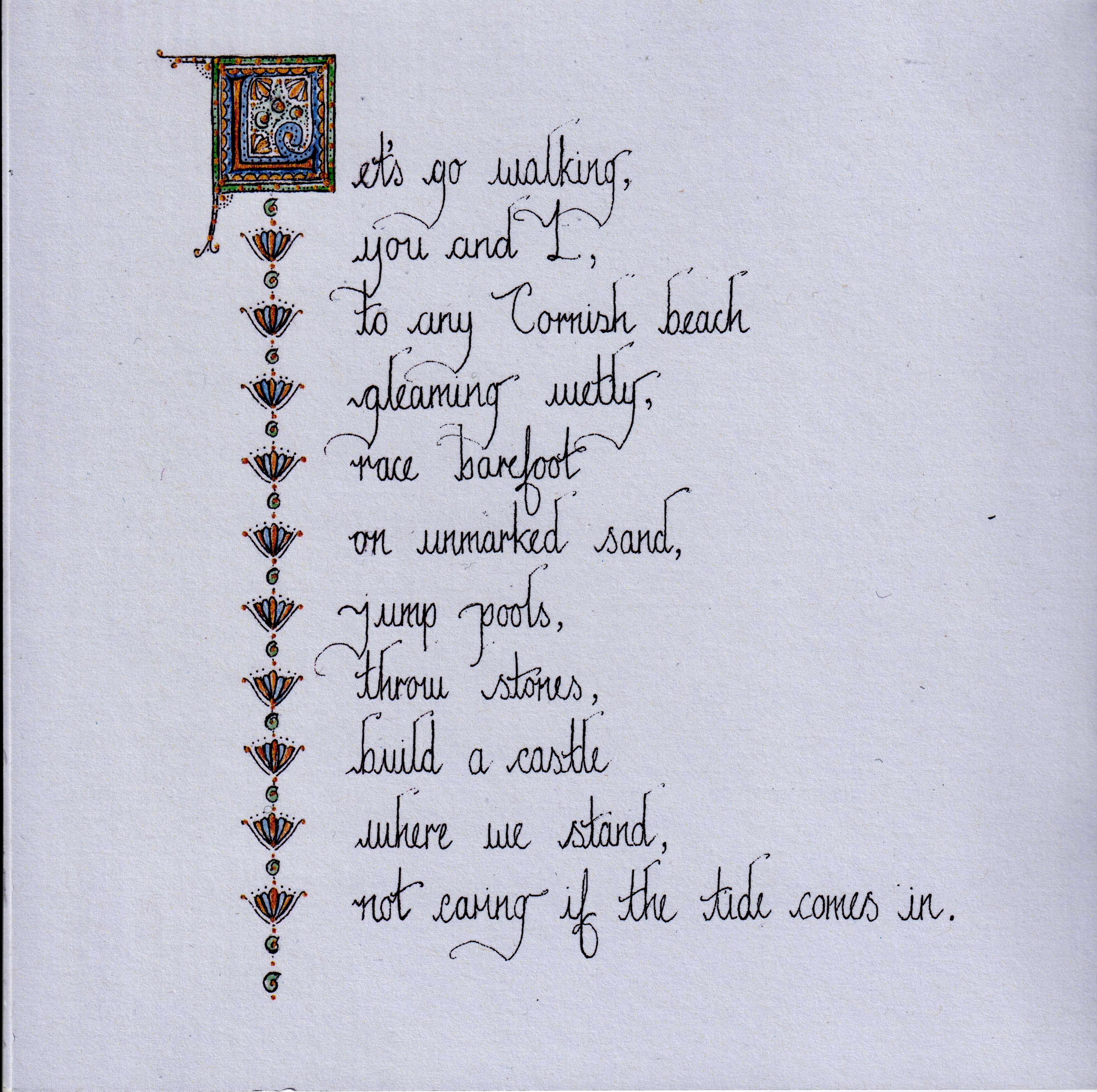
Handwritten version of the opening poem

A handwritten version of the title poem

Researching


As I was writing during the lock-down imposed by Covid, I read widely and watched a number of early films on YouTube about life on the stoomboots, and in Rotterdam and London. I also found German maps and photographs showing details of the assault on Rotterdam on 10 th May 1940. Among the many books I bought online, none is more precious than the 1940 edition of Reed’s Nautical Almanac. Here I found tide times, times of sun and moon rise and set, details about ports and much else that ensured accuracy in the narrative. When researching ship movements, I found that the Essex County Record Office held correspondence and reports from Captain Mallory, master of the LNER Harwich – Hook of Holland ferry Malines. Bless them for sending me copies. Wonder of wonders – I was able to read the weather reports for the crucial days of my story. If the weather had been different, my story would not have been written. The German invasion of neutral Holland was brief, brutal and successful. Reading accounts of the four days of heroic defence by the tiny Dutch air force, their anti-aircraft gunners, army and marines made me think that the heavy loss of German transport aircraft saved Britain from an assault by air soon after Dunkirk. Writing about a Jewish family required careful thought and detailed research. Once I started writing, my characters rapidly came alive and welcomed me into their homes and onboard their ship. What is written is an account of what I saw, heard, smelt and experienced. I was living with those people, with the same hopes and fears, the same doubts and certainties. All I had to do was write it down.